Tag: NDIS

  • Women’s Health Matters Continues Multilingual Health Program Across the ACT

    Women’s Health Matters has confirmed that its Health in My Language program will keep running beyond June, thanks to renewed funding, continuing to support culturally and linguistically diverse communities across Canberra in accessing health information in their own languages.

    What the program covers

    The initiative focuses on several key health priority areas, including cancer screening, mental health, and sexual and reproductive health. The goal is to empower migrant and refugee communities to make informed decisions about their health by removing language as a barrier to understanding and accessing care.

    According to Women’s Health Matters, the program is also developing new in-language “Where to Go” video resources, designed to guide community members toward low-cost and no-cost health services available across Canberra. These videos are expected to launch in August.

    New resources on the way

    In addition to the video series, the organisation is preparing to release a new factsheet offering guidance on where to find support for people experiencing domestic, family, or sexual violence in the ACT. A companion wallet-sized resource is also being developed to help both individuals and support workers respond appropriately when someone discloses experiencing violence.

    Why this matters

    Language barriers can make it significantly harder for people to understand their health options, know their rights, or feel confident seeking care — particularly for newly arrived migrants and refugees who may be unfamiliar with the Australian health system. Programs like this play an important role in making sure health information is genuinely accessible, not just technically available.

    For organisations supporting people with additional needs — including disability and community services — initiatives like this highlight the broader importance of designing health resources and pathways that meet people where they are, in language and format that actually works for them.

    Looking ahead

    With the new video resources and factsheet expected in August, Canberrans from culturally and linguistically diverse backgrounds will soon have more tools to help them navigate the local health system with greater confidence and independence.

    You may also like

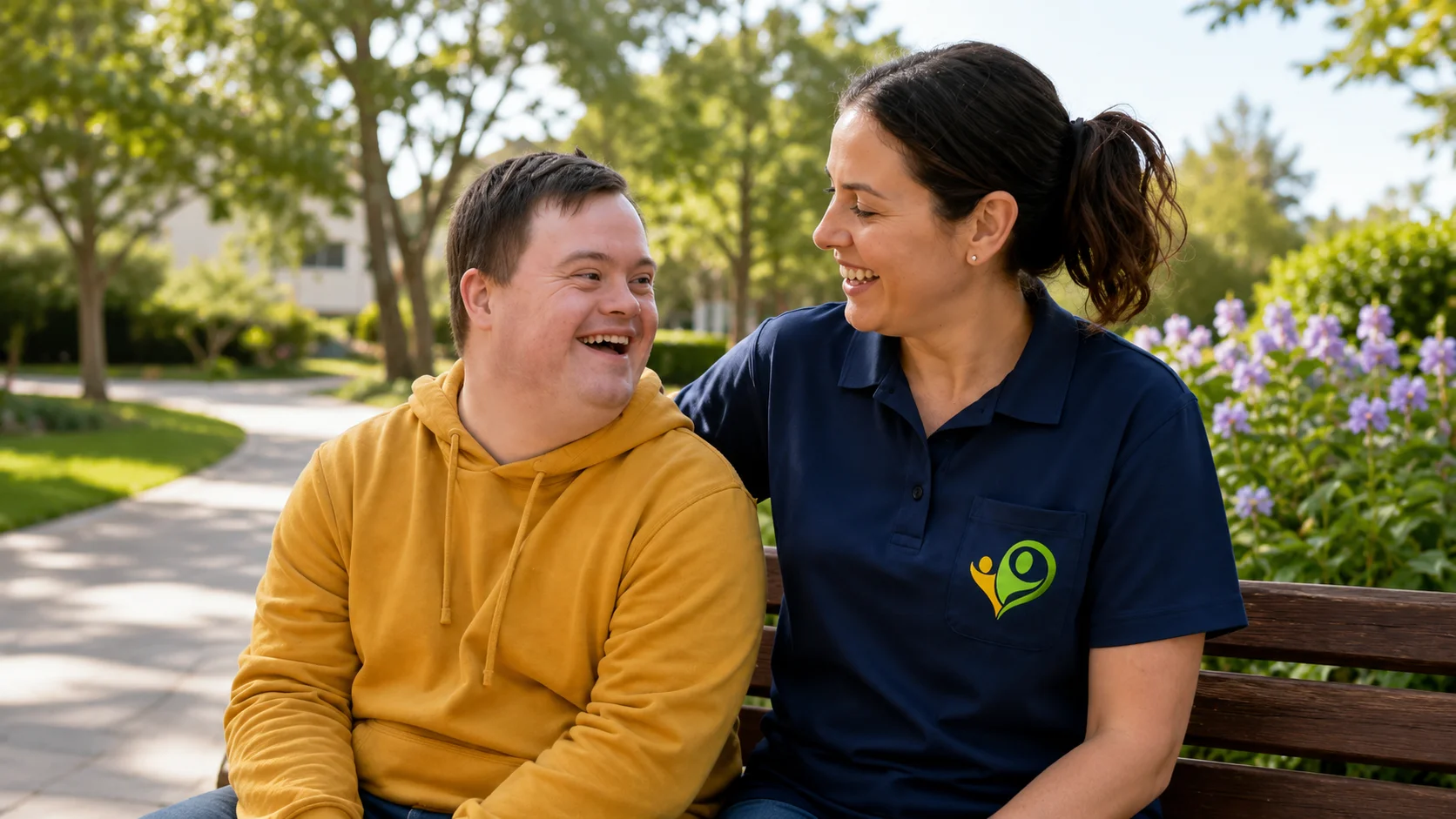
    Understanding Disability Support: How the Right Help Changes Everyday Life
  • Understanding Disability Support: How the Right Help Changes Everyday Life
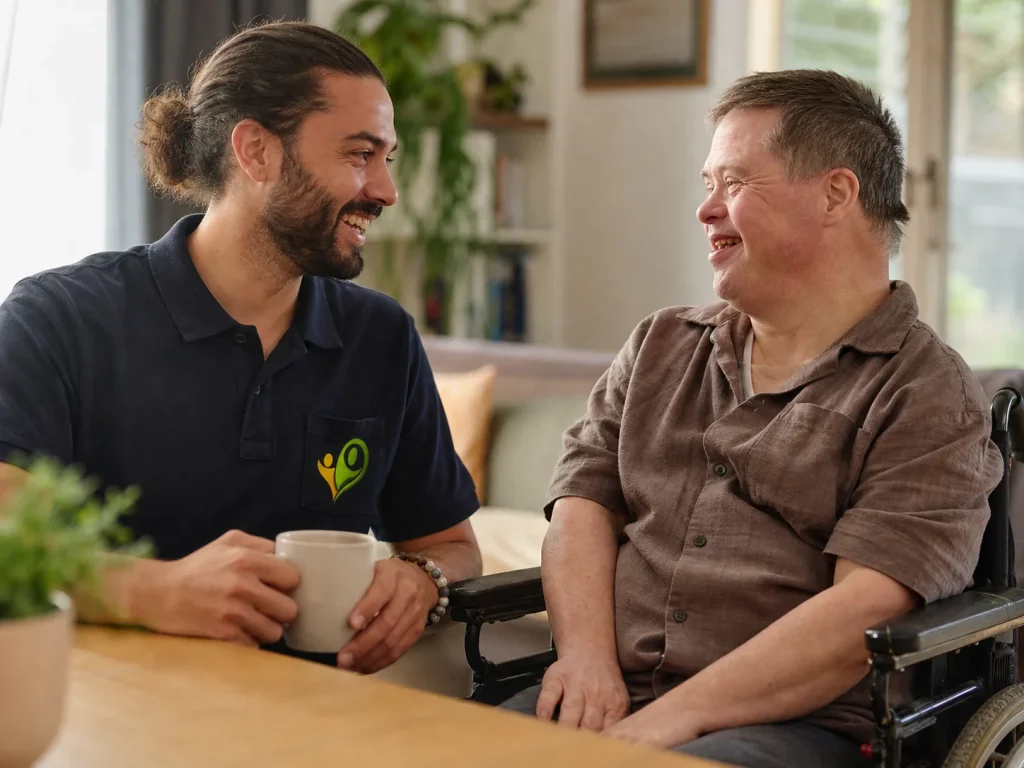
    Understanding Disability Support: How the Right Help Changes Everyday Life

    For many Australians living with disability, the biggest barrier isn’t ability — it’s access. Access to the right care, the right equipment, the right people, and the right information at the right time. That’s what quality disability support is really about: removing the barriers that stand between someone and the life they want to live.

    What Disability Support Looks Like Day to Day

    Disability support isn’t one thing, it’s a mix of services shaped around each person’s goals and needs. Some of the most common forms include:

    • Personal care — help with daily tasks like bathing, dressing, and meal preparation.
    • Community access and social participation — support to get out, connect with others, and stay involved in hobbies, work, or study.
    • Allied health services — physiotherapy, occupational therapy, speech therapy, and psychology.
    • Household assistance — cleaning, gardening, and other everyday tasks that keep a home running.
    • Transport support — getting to appointments, work, or social activities safely and independently.
    • Supported Independent Living (SIL) — help for people who want to live on their own or share accommodation with support built in.

    The best support plans combine several of these, built around a person’s actual routine, not a generic template.

    What to Look for in a Support Provider

    If you’re choosing a disability support provider, it helps to consider:

    • NDIS registration — registered providers meet quality and safeguarding standards set by the NDIS Commission.
    • Experience with your specific needs — some providers specialise in particular types of support, like complex care or community access.
    • Communication and flexibility — good providers adjust as your needs or goals change over time.
    • Local knowledge — providers familiar with your area often have stronger connections to community activities, allied health professionals, and local services.
    • Transparency — clear information about pricing, service agreements, and what’s included.

    What Good Support Actually Feels Like

    Not all support is created equal. The difference between support that works and support that just exists usually comes down to a few things:

    • Consistency — the same familiar faces, not a rotating cast of strangers.
    • Genuine choice and control — participants directing their own care, not just receiving it.
    • Clear communication — no jargon, no confusion about what’s funded or how to access it.
    • Flexibility — plans that adjust as life changes, rather than staying fixed no matter what.

    Moving Forward

    Good disability support should never feel like a bureaucratic hurdle. At its best, it’s simply the scaffolding that lets someone get on with their life, work, study, friendships, independence, without unnecessary obstacles in the way. Whether you’re a participant, a family member, or a carer, the right support network makes all the difference between getting by and genuinely thriving.