Author: Blessing Okoh

  • Canberra Private Hospital in Deakin Set to Close in September

    Canberra Private Hospital in Deakin Set to Close in September

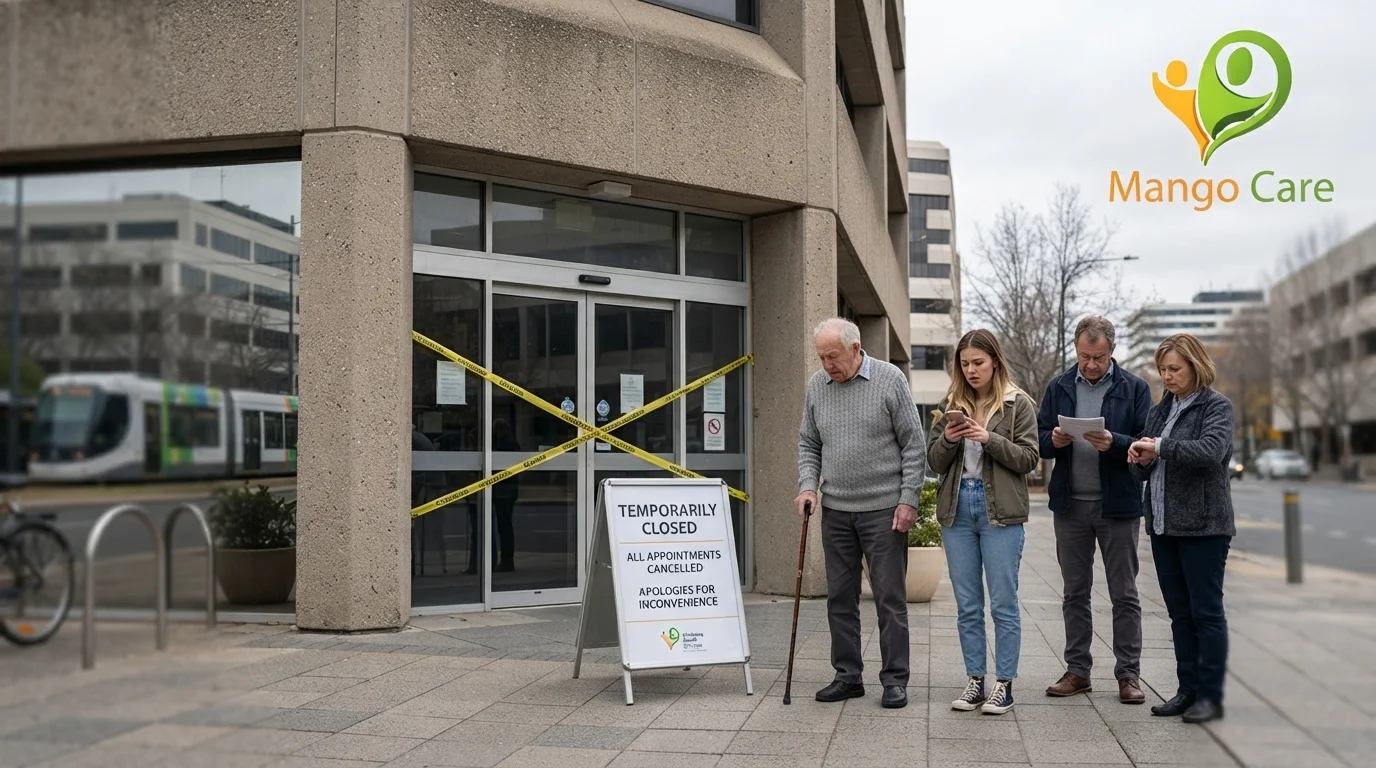
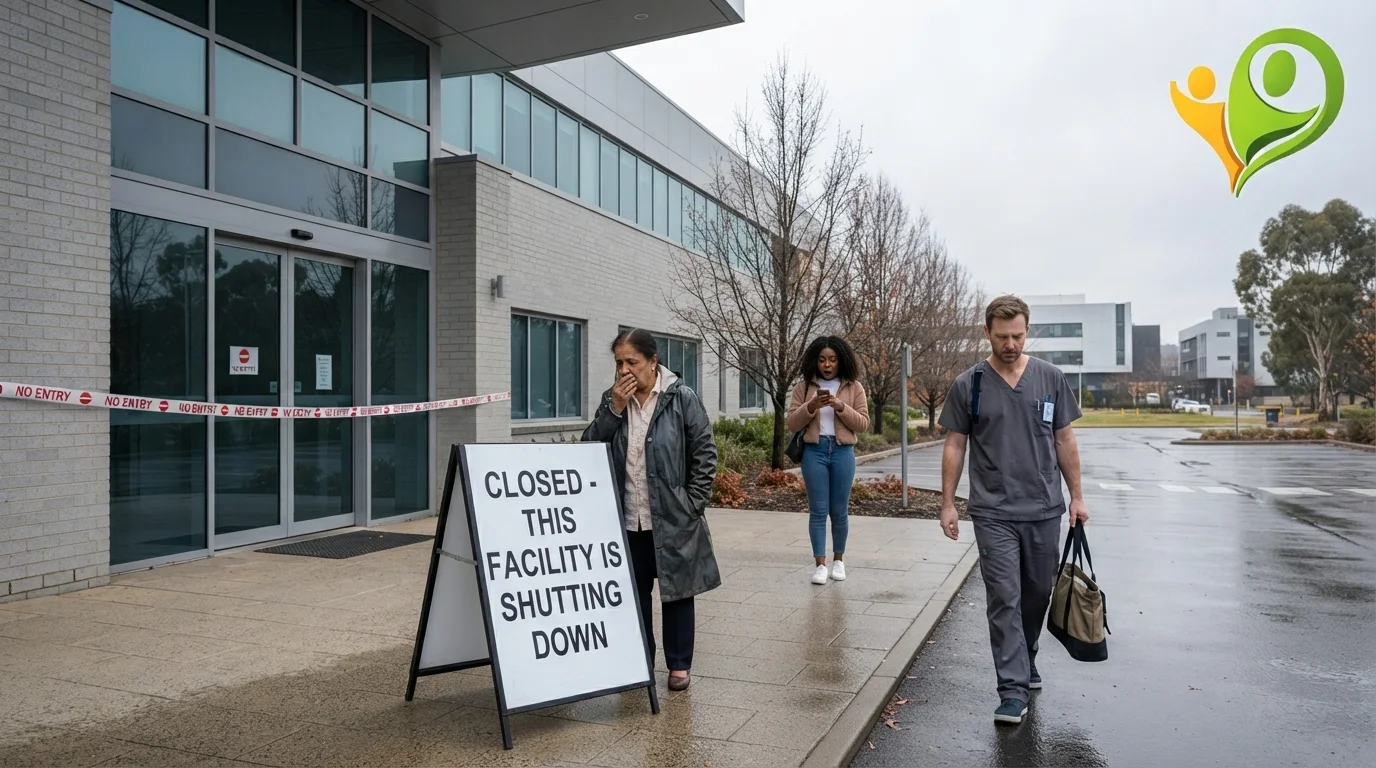
    Canberra’s private health sector is facing another setback, with news that Canberra Private Hospital in Deakin will be closing its doors later this year. The announcement adds to a growing list of challenges facing private healthcare providers across the country, and comes as another reminder of just how financially fragile the sector has become.

    What happened

    The hospital, based at the Equinox Business Park in Deakin, will shut down after its operator, Nexus Hospitals, made the difficult call that the facility could no longer be run viably. While a precise closure date hasn’t been locked in just yet, Nexus has indicated the hospital is expected to close its doors in September. Canberra Private Hospital first opened back in 2011, meaning it will have served the Canberra community for well over a decade by the time it shuts.

    Why it’s closing

    Nexus Hospitals chief executive Greg Hall confirmed the closure, explaining that the facility was simply no longer financially sustainable to keep running. He noted that this isn’t a problem unique to Canberra Private Hospital, pointing out that many private hospitals around Australia are currently grappling with similar financial pressures. According to Hall, the company’s main priority now is to maintain the same high standard of patient care the hospital has been known for over the years, while doing everything possible to minimise disruption for patients as the closure date draws closer. Further details are expected to be shared with patients and the wider community as more information becomes available in the lead-up to the closure.

    Part of a wider trend

    Unfortunately, this isn’t an isolated incident. It follows closely on the heels of the widely reported collapse of Healthscope, which saw multinational operator Ramsay Health Care step in late last year to purchase the National Capital Private Hospital in Garran for a substantial $251 million. Taken together, these two developments paint a clear picture of the mounting financial strain facing Canberra’s private hospital sector, driven by a combination of rising operating costs, staffing pressures, and shifting patterns in how and where people choose to access healthcare.

    What this means for the community

    For everyday Canberrans, these closures carry real consequences. As more private facilities either shut down or change ownership, many residents may find themselves relying more heavily on public health services or community-based support to fill the gap left behind. This shift is particularly relevant for older Australians and NDIS participants, who often depend on continuity of care, familiar providers, and clear, timely communication when navigating changes to their healthcare arrangements. In times like these, having access to reliable, locally based support becomes even more important, helping people feel less overwhelmed by the wider upheaval taking place across the health system.

    Source: The Canberra Times

    You may also like:
    Canberra’s City Health Centre Closure Extended Until August: What You Need to Know

  • Top 10 Disability Service Providers in Australia

    Top 10 Disability Service Providers in Australia

    Choosing a disability service provider is one of the most important decisions an NDIS participant or their family will make. With thousands of registered providers operating across the country, comparing options on service range, location, and quality can feel overwhelming. This guide breaks down the top 10 disability service providers in Australia, explains how many NDIS providers are currently operating, and outlines what to look for when comparing your options, including specific guidance for participants based in Canberra and the ACT.

    How Many NDIS Providers Are There in Australia?

    The NDIS now supports over 761,000 Australians living with disability, with total scheme payments reaching $46.3 billion for the 2024–25 financial year. Nationally, 774,456 people are currently benefiting from the NDIS. Supporting this number of participants is a large and fragmented provider market: more than 269,000 registered and active providers operate across the country, with no single organisation holding more than roughly 1.3% of the market. This means participants genuinely have choice, but it also makes side-by-side comparison difficult without a clear set of criteria. (Source: NDIS Quarterly Reports)

    What Makes a Good Disability Service Provider?

    Before comparing specific organisations, it helps to know what separates a strong provider from an average one. When evaluating any disability service provider in Australia, consider:

    • NDIS registration: Registered providers are audited against the NDIS Practice Standards and must meet quality and safety requirements.
    • Range of services: Look for coverage across the supports you actually need, such as personal care, community participation, supported independent living, therapy, or plan management.
    • Local presence: A provider with a genuine local team tends to offer more consistent, responsive support than one managing your file from interstate.
    • Transparency on pricing: Clear, upfront quoting against NDIS price guide limits, rather than vague estimates.
    • Communication and continuity: Consistent support workers and clear points of contact matter more to day-to-day quality of life than an organisation’s size.
    • Participant reviews and reputation: Genuine feedback from current participants and families is one of the most reliable indicators of service quality.

    These factors are the basis for the comparisons below.

    Top 10 Disability Service Providers in Australia

    1. Mango Care

    Mango Care is an NDIS-registered disability support provider based in Canberra, delivering services across the ACT region. Mango Care offers a range of supports including personal care, community and social participation, domestic assistance, and supported independent living, with a focus on person-centred planning tailored to each participant’s goals. As a locally based provider, Mango Care is positioned to offer the kind of consistent, community-level support that Canberra participants often look for, alongside the accountability that comes with NDIS registration.

    2. Life Without Barriers

    One of Australia’s largest and longest-running disability and community service organisations, operating nationally across supported independent living, out-of-home care, and disability employment services.

    3. Aruma

    Formed from the merger of House with No Steps and The Tipping Foundation, Aruma is one of the largest dedicated disability service organisations in the country, offering accommodation, community access, and employment support.

    4. Endeavour Foundation

    A long-established national provider offering disability employment, accommodation, and lifestyle support services, with a strong presence in Queensland and expanding services in other states.

    5. Cerebral Palsy Alliance

    A specialist provider with deep expertise in supporting people with cerebral palsy and related disabilities, offering therapy, equipment, respite, and accommodation services, primarily across NSW.

    6. Achieve Australia

    A Sydney-founded provider with decades of experience delivering accommodation, community participation, and skill-development supports for people with disability.

    7. Sunnyfield

    A NSW-based provider offering supported living, employment, and community programs, with a focus on building everyday life skills and independence.

    8. Novita

    Originally established in South Australia, Novita provides therapy, assistive technology, and community-based supports, with particular strength in services for children and young people.

    9. National Disability Services (NDS) member providers

    NDS is the peak body for the sector rather than a direct service provider, but its member network includes many of the organisations on this list and is a useful starting point for researching accredited providers in your area.

    10. Local and regional NDIS-registered providers

    Beyond the national organisations above, Australia has thousands of smaller, locally focused registered providers. For many participants, a well-regarded local provider, with strong community ties and flexible availability, offers the best balance of service quality and personal attention, particularly outside major metro areas.

    Finding Reputable Disability Care Providers in the ACT

    Canberra participants have a smaller but well-established pool of providers to choose from compared to Sydney or Melbourne. To find reputable disability care services in the Australian Capital Territory, start with the NDIS Provider Finder tool, filter by ACT and your required support category, and shortlist providers who list Canberra-based staff or offices rather than fly-in support from interstate. Locally based providers such as Mango Care typically offer more responsive scheduling and a better understanding of local services, transport routes, and community programs.

    When it comes to top-rated providers near Canberra specifically, look at a combination of NDIS registration status, the specific support categories a provider is registered for, and how long they’ve operated in the ACT market, since newer entrants may still be building out their local service capacity. It’s also worth confirming which providers offer NDIS-covered services in Canberra for your particular plan category, since not every registered provider delivers every type of support in every region.

    How to Transition to a New Disability Support Provider

    If you’re moving from one provider to another, whether due to relocation, dissatisfaction, or simply wanting more choice, the process generally follows these steps:

    1. Review your current service agreement to understand any notice periods or exit requirements.
    2. Identify your new provider and confirm they’re registered for the support categories in your plan.
    3. Notify your current provider in writing and request a transition or exit date.
    4. Arrange handover of relevant information, such as support plans or therapy notes, where applicable.
    5. Update your plan manager or the NDIA if your plan management arrangements change.
    6. Confirm the new service agreement with your new provider, including pricing, service days, and support worker details, before your old arrangement ends.

    A good provider will make this transition straightforward and won’t require you to stay longer than your service agreement specifies.

    Frequently Asked Questions

    What is the best disability service provider in Australia? There’s no single “best” provider; the right choice depends on your location, required support categories, and personal preferences around communication and continuity of care. Large national providers offer broad service ranges, while local providers like Mango Care often offer more personalised, responsive support within their region.

    How many NDIS providers are there in Australia? There are more than 269,000 registered and active NDIS providers operating across the country, ranging from large national organisations to small local support services.

    What services does Mango Care offer? Mango Care provides NDIS-registered disability support services across Canberra and the ACT, including personal care, community and social participation, domestic assistance, and supported independent living.

    How do I contact Mango Care? You can get in touch with Mango Care directly through the contact details listed on the Mango Care website to discuss your support needs or ask questions about services in your area.

    How do I get a quote from Mango Care? Mango Care can provide a quote based on your NDIS plan and support needs. Reach out via the website’s contact or enquiry form to request pricing information tailored to your situation.

    Do I need a registered NDIS provider? If you’re plan-managed or agency-managed, you generally need to use registered providers. Self-managed participants have the flexibility to use registered or unregistered providers, depending on their plan.

    You May Also Like
  • NDIS Reform Bill and Budget Talks: What Canberra Participants Need to Know

    NDIS Reform Bill and Budget Talks: What Canberra Participants Need to Know

    If you or someone you support relies on the NDIS, you may have seen headlines this year about reform. Change can feel unsettling, especially when it touches something as personal as your care and support. Here is a plain-language update on where things stand, based on recent reporting from the Canberra Times.

    What is happening in parliament

    The federal government has been working to pass NDIS reform laws before parliament’s winter break. According to the Canberra Times, Labor was hoping to get the changes through before July 2, when parliament adjourned for its winter recess (Canberra Times, June 22 2026).

    Getting the laws passed has not been simple. The government needs support from the Greens, who have called for a longer inquiry into the reforms before agreeing to back separate tax changes tied to the same parliamentary sitting (Canberra Times, June 22 2026).

    Why this matters for participants

    Earlier in June, a two-day parliamentary inquiry looked closely at proposed measures that could see around 160,000 people removed from the NDIS as part of efforts to manage the cost of the scheme (Canberra Times, June 22 2026). For families already navigating plans and reviews, this kind of number understandably raises questions about what happens next and who it might affect.

    These conversations are part of a broader reform package. The government introduced the NDIS Amendment (Securing the NDIS for Future Generations) Bill to parliament on 14 May 2026, setting out a longer-term plan to keep the scheme sustainable while protecting support for people with permanent and significant disability.

    One practical change already under way is mandatory registration. From 1 July 2026, Supported Independent Living providers and platform providers are required to register with the NDIS Quality and Safeguards Commission, with registration set to expand to other providers delivering higher-risk supports such as personal care and daily living assistance. For families choosing a provider, this is a useful thing to ask about, since registration is designed to give participants more assurance that their support will be delivered safely. If you are weighing up whether your current NDIS support worker arrangement meets these standards, it is worth checking their registration status directly.

    What we are watching

    Reform of this scale rarely moves quickly, and there is more detail still to come as budgets, plan types and provider requirements shift over the next few years. Mango Care will keep following these updates and sharing what they mean in practice for participants, families and carers here in Canberra.

    In the meantime, if any of this leaves you unsure where your plan stands, that is exactly the kind of thing our free NDIS consultation is built for. And if you are also thinking about behaviour support as part of your plan, our recent piece on finding the right behaviour support practitioner in Canberra covers what to look for there too.

    Source: Andrew Brown, “NDIS laws could make or break budget tax reform,” The Canberra Times, June 22 2026.

    You May Also Like

    Canberra’s City Health Centre Closure Extended Until August: What You Need to Know

  • Canberra’s City Health Centre Closure Extended Until August: What You Need to Know

    Canberra’s City Health Centre Closure Extended Until August: What You Need to Know

    A well-known community health hub in the heart of Canberra will remain closed for several more weeks after asbestos was discovered during routine maintenance work — leaving thousands of residents needing to find alternative arrangements for essential health services.

    What happened

    The City Health Centre, located on the corner of Alinga Street and Moore Street in Canberra’s city centre, was first shut down on 1 July after testing confirmed the presence of asbestos-containing materials in the building’s plant room. The discovery was made during routine maintenance checks, and under ACT work health and safety laws, any materials suspected of containing asbestos must be assessed and removed by licensed specialists before normal operations can resume.

    Initially expected to reopen within days, the closure has since been extended multiple times as further investigation revealed the scope of the issue was larger than first thought. According to the Canberra Times, Infrastructure Canberra has now advised that the site is unlikely to reopen before 7 August, pending additional testing, monitoring, and remediation work.

    Which services are affected

    The City Health Centre houses a number of services that many Canberrans rely on regularly, including:

    • The MSI Canberra Abortion and Contraception Clinic
    • BreastScreen ACT
    • The CanTEST pill testing service
    • The Canberra Innovation Network (CBRIN)

    All patient appointments originally scheduled at the centre have been, or are in the process of being, rescheduled. Authorities have confirmed that anyone affected should have received — or will soon receive — updated information on where and when they can access these services in the interim.

    What we know about the safety risk

    Ongoing monitoring has cleared several busy areas across multiple floors of the building, even while the heating, ventilation, and air conditioning systems remain operational. However, full clearance across the entire site is still pending, and authorities are taking a cautious, methodical approach before allowing services to resume.

    The building itself dates back to the 1970s, constructed originally for the ACT Health Service before self-government — a period when asbestos was still widely used in building materials across Australia. This isn’t the first time older public buildings in Canberra have faced similar issues, and it’s a reminder of the ongoing challenges of maintaining ageing infrastructure that houses critical services.

    Why this matters for the community

    Extended closures like this highlight just how important it is for Canberrans to know where else they can turn for health support when their usual services are disrupted. For people who depend on regular screenings, reproductive health services, or harm-reduction programs like pill testing, even a temporary closure can mean delays that affect health outcomes and peace of mind.

    It’s also a timely reminder of the value of having accessible, well-communicated alternative pathways to care — particularly for people with additional support needs, who may find navigating last-minute changes to appointments and locations more difficult.

    What to do if you had an appointment at the City Health Centre

    If you had a booking affected by this closure, the ACT government has advised checking the Canberra Health Services website for the latest updates, or contacting the relevant service directly to confirm your new appointment details.

    You may also like

    Women’s Health Matters Continues Multilingual Health Program Across the ACT

  • Women’s Health Matters Continues Multilingual Health Program Across the ACT

    Women’s Health Matters has confirmed that its Health in My Language program will keep running beyond June, thanks to renewed funding, continuing to support culturally and linguistically diverse communities across Canberra in accessing health information in their own languages.

    What the program covers

    The initiative focuses on several key health priority areas, including cancer screening, mental health, and sexual and reproductive health. The goal is to empower migrant and refugee communities to make informed decisions about their health by removing language as a barrier to understanding and accessing care.

    According to Women’s Health Matters, the program is also developing new in-language “Where to Go” video resources, designed to guide community members toward low-cost and no-cost health services available across Canberra. These videos are expected to launch in August.

    New resources on the way

    In addition to the video series, the organisation is preparing to release a new factsheet offering guidance on where to find support for people experiencing domestic, family, or sexual violence in the ACT. A companion wallet-sized resource is also being developed to help both individuals and support workers respond appropriately when someone discloses experiencing violence.

    Why this matters

    Language barriers can make it significantly harder for people to understand their health options, know their rights, or feel confident seeking care — particularly for newly arrived migrants and refugees who may be unfamiliar with the Australian health system. Programs like this play an important role in making sure health information is genuinely accessible, not just technically available.

    For organisations supporting people with additional needs — including disability and community services — initiatives like this highlight the broader importance of designing health resources and pathways that meet people where they are, in language and format that actually works for them.

    Looking ahead

    With the new video resources and factsheet expected in August, Canberrans from culturally and linguistically diverse backgrounds will soon have more tools to help them navigate the local health system with greater confidence and independence.

    You may also like

    Understanding Disability Support: How the Right Help Changes Everyday Life

  • Understanding Disability Support: How the Right Help Changes Everyday Life

    Understanding Disability Support: How the Right Help Changes Everyday Life

    For many Australians living with disability, the biggest barrier isn’t ability — it’s access. Access to the right care, the right equipment, the right people, and the right information at the right time. That’s what quality disability support is really about: removing the barriers that stand between someone and the life they want to live.

    What Disability Support Looks Like Day to Day

    Disability support isn’t one thing, it’s a mix of services shaped around each person’s goals and needs. Some of the most common forms include:

    • Personal care — help with daily tasks like bathing, dressing, and meal preparation.
    • Community access and social participation — support to get out, connect with others, and stay involved in hobbies, work, or study.
    • Allied health services — physiotherapy, occupational therapy, speech therapy, and psychology.
    • Household assistance — cleaning, gardening, and other everyday tasks that keep a home running.
    • Transport support — getting to appointments, work, or social activities safely and independently.
    • Supported Independent Living (SIL) — help for people who want to live on their own or share accommodation with support built in.

    The best support plans combine several of these, built around a person’s actual routine, not a generic template.

    What to Look for in a Support Provider

    If you’re choosing a disability support provider, it helps to consider:

    • NDIS registration — registered providers meet quality and safeguarding standards set by the NDIS Commission.
    • Experience with your specific needs — some providers specialise in particular types of support, like complex care or community access.
    • Communication and flexibility — good providers adjust as your needs or goals change over time.
    • Local knowledge — providers familiar with your area often have stronger connections to community activities, allied health professionals, and local services.
    • Transparency — clear information about pricing, service agreements, and what’s included.

    What Good Support Actually Feels Like

    Not all support is created equal. The difference between support that works and support that just exists usually comes down to a few things:

    • Consistency — the same familiar faces, not a rotating cast of strangers.
    • Genuine choice and control — participants directing their own care, not just receiving it.
    • Clear communication — no jargon, no confusion about what’s funded or how to access it.
    • Flexibility — plans that adjust as life changes, rather than staying fixed no matter what.

    Moving Forward

    Good disability support should never feel like a bureaucratic hurdle. At its best, it’s simply the scaffolding that lets someone get on with their life, work, study, friendships, independence, without unnecessary obstacles in the way. Whether you’re a participant, a family member, or a carer, the right support network makes all the difference between getting by and genuinely thriving.